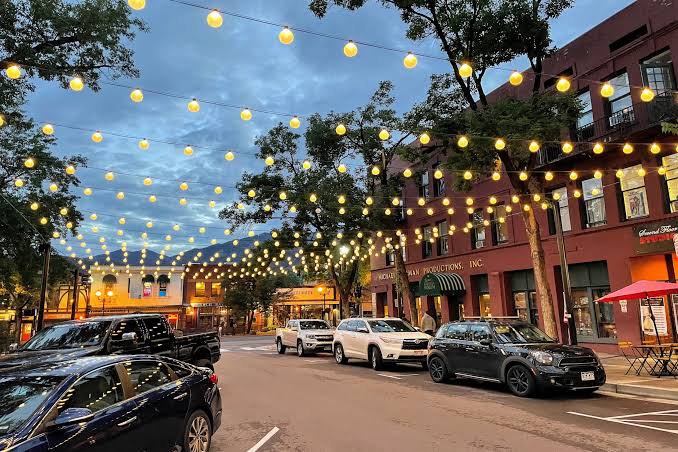
Old Colorado City is Colorado Springs' original downtown — a National Historic District along Colorado Avenue lined with galleries, breweries, boutiques, and restaurants. The residential blocks immediately north and south of Colorado Avenue feature Craftsman bungalows, Victorian cottages, and early 20th-century homes with genuine architectural character you simply won't find in newer developments. Buyers choosing OCC are trading square footage for walkability, culture, and a community with deep roots. Mountain views are common, Garden of the Gods is minutes away, and the Ute Pass corridor to Manitou Springs and Woodland Park is right on your doorstep.
Benefits & Considerations
- Walkable historic district with galleries, dining, and coffee shops
- Genuine architectural character — no two homes look alike
- Close proximity to Garden of the Gods and mountain trails
- No HOA in most sections
- Strong short-term rental appeal
- Older homes — higher maintenance costs
- Smaller floor plans than newer neighborhoods
- D11 school district — varies by school
- Longer Fort Carson and Schriever commutes
Military Commute Times
Historic Homes in Old Colorado City
OCC is the most architecturally rich historic neighborhood in Colorado Springs — and that's not an accident. Founded in 1859, it predates Colorado Springs by over a decade. The residential blocks north and south of Colorado Avenue were built out primarily between 1890 and 1940, and the neighborhood's National Historic District designation has helped preserve that stock in a way that newer-money neighborhoods simply can't replicate.
The dominant styles here are Craftsman bungalows (the most common, built 1905–1930), Victorian cottages (late 1800s), American Foursquares, and a handful of Tudor Revivals scattered throughout. Square footage runs smaller than modern buyers are used to — 900 to 1,500 sq ft is typical — but the ceiling heights, original woodwork, built-ins, and character details more than compensate for most buyers.
Price range: $320K–$600K, with fully renovated homes occasionally pushing higher. Original-condition homes — untouched kitchens, older electrical, original windows — represent the best value and the most renovation upside. Homes that have been thoughtfully updated (not gutted) tend to hold value best.
One thing OCC buyers often miss: the National Historic District designation applies to the commercial corridor, not the residential blocks. That means no exterior review board approval process for most homeowners — you can renovate freely without navigating historic commission rules.
Full guide to buying historic homes in Colorado Springs → | Deep dive: OCC neighborhood guide → | Historic home inspection guide →